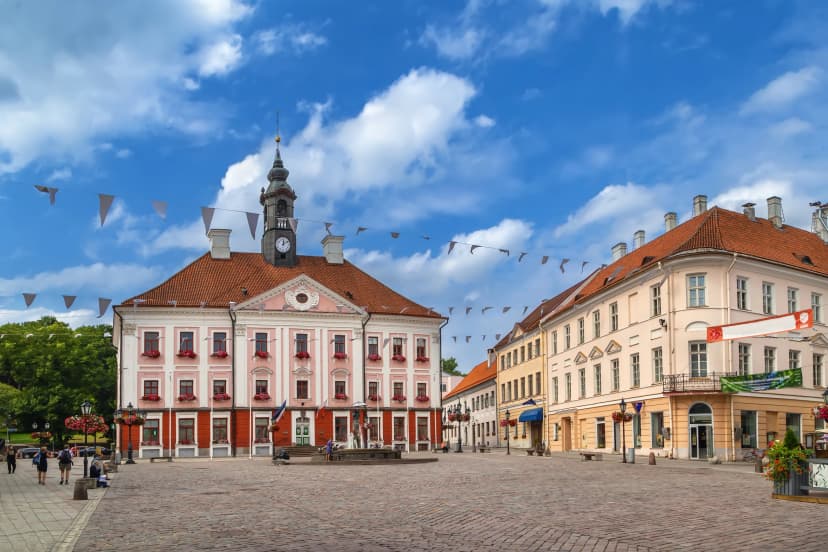
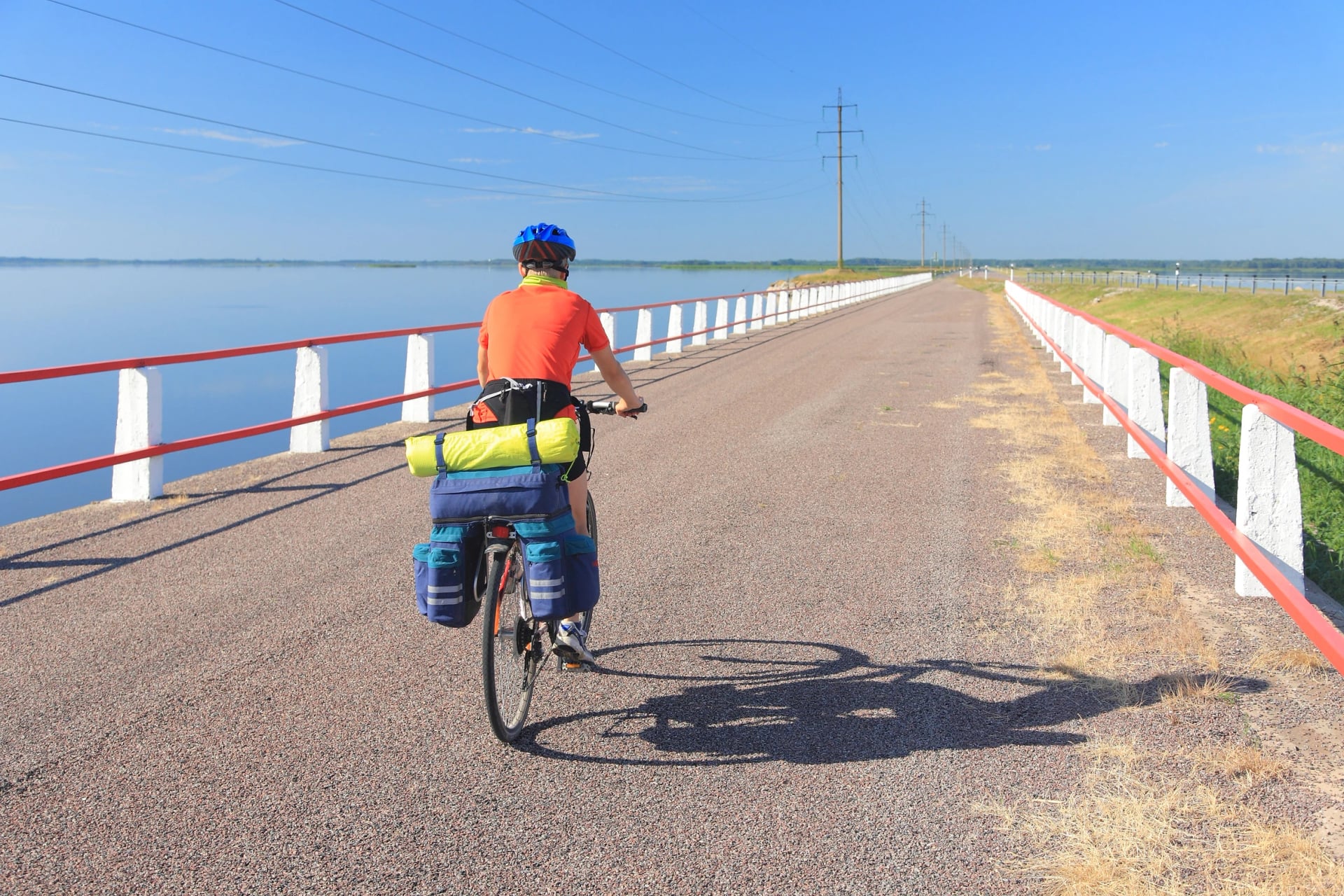
Cycling in Estonia: Five Regions to Ride
Cycling in Estonia means quiet coast roads, island ferries to Saaremaa and Hiiumaa, and smooth gravel to Lake Peipsi and Tartu, all under long June light.
Quick links
Don't want to read all this?
We've planned 800+ cycling trips. Send your dates, fitness and group size — we'll map the route and book every night.


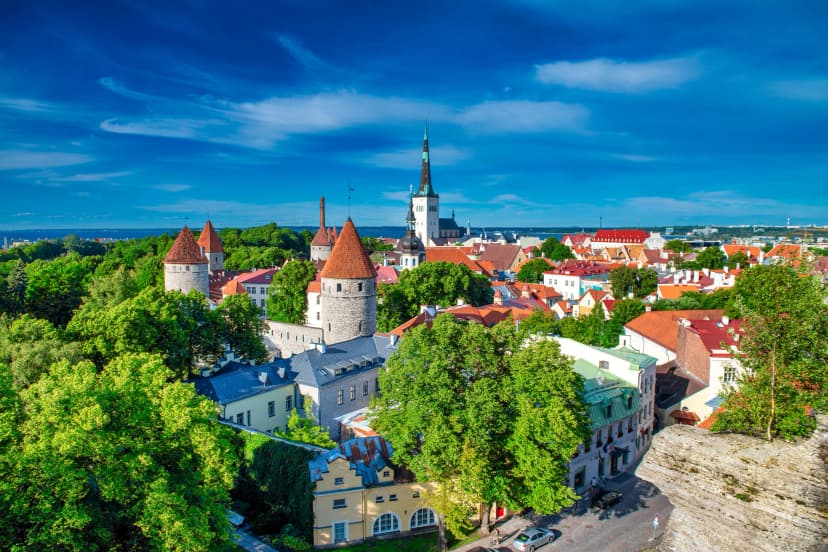
Estonia is a low country of pine forest and wooden villages, with more than 3,500 km of coastline and 2,317 islands off its western shore. Its capital, Tallinn, keeps a medieval old town among the best preserved in northern Europe.
Riders come for quiet back roads, island ferries and the summer light, with 19 hours of daylight in June. Two long-distance routes, EuroVelo 10 and EuroVelo 13, share one line up the coast from Latvia to Narva, but most riders pick one region and ride its back roads for a week.
Where to Go Biking in Estonia
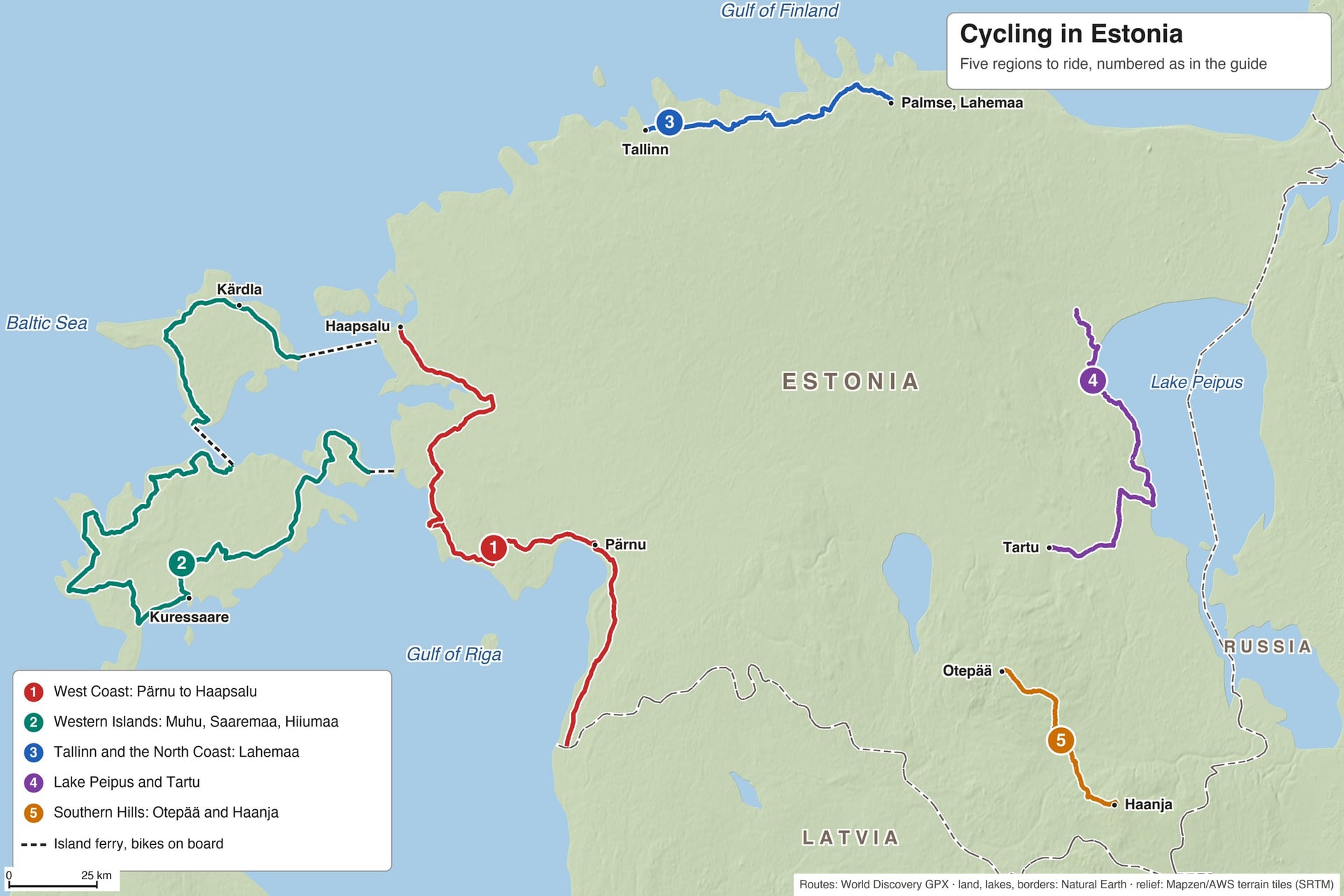
Estonia's riding falls into five regions, from the west coast and the islands to the hills of the south-east. Visit Estonia, the national tourist board, names the coast road from Tallinn to Pärnu, the island circuits and the trails of Lahemaa as the three most popular rides in the country.
The coast and the islands are the flattest, and only the south-east climbs, to 318 m at most. The table sets the five regions side by side.
Region | Ground | Best for |
West Coast | Flat, paved coast roads and cycle paths into the towns | A first week, sea swims and seaside towns |
Western Islands | Flat roads and smooth gravel, with ferries of 27 to 75 minutes | Windmills, lighthouses, empty lanes and island hopping |
Tallinn and the North Coast | Forest and coast roads, rougher tracks inland in Kõrvemaa | A medieval capital, manor houses and the Baltic shore |
Lake Peipsi and Tartu | Flat lake-shore roads, then gentle farmland | Onion villages, a castle near the lake and a university town |
Southern Hills | Rolling hills and lakes, technical gravel around Haanja | The country's only real climbs |
1. The West Coast: Pärnu to Haapsalu
Key figures: 67 km from Ainaži to Pärnu, the first 30 km on quiet coast road, then about 157 km on to Haapsalu
Start from: Pärnu, or ride in from Latvia at Ainaži
Base towns: Pärnu and Haapsalu, two old seaside resorts
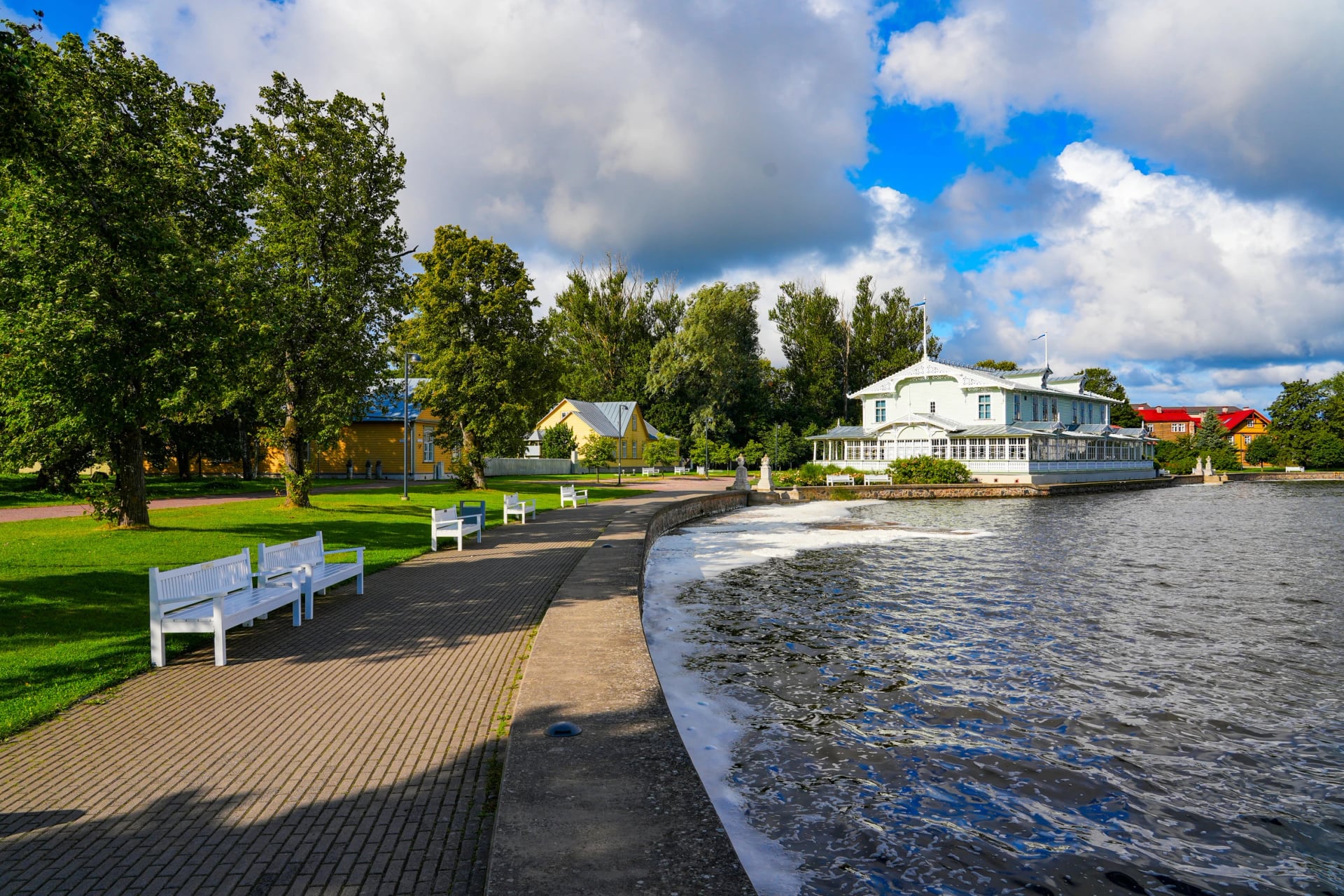
Pärnu, Estonia's self-styled summer capital, has a pale sand beach a short walk from the centre. The coast road north passes Varbla and Lihula, about 40 km apart, on its way to Haapsalu and its 13th-century castle.
Haapsalu's promenade suits an evening walk, and the Hiiumaa ferry leaves nearby Rohuküla for a crossing of 1 hour 15 minutes. Inland from Pärnu, Soomaa's rivers flood the forest in late March or early April. Estonians call it the fifth season, and by May the water is back in the rivers.
2. The Western Islands: Muhu, Saaremaa and Hiiumaa
Key figures: 27 minutes on the Virtsu ferry, 80 km round Muhu, 55 km round the small island of Vormsi, 250 km of signed trail on Hiiumaa
Start from: Virtsu for Muhu and Saaremaa, or Rohuküla for Hiiumaa
Base towns: Kuressaare on Saaremaa and Kärdla on Hiiumaa
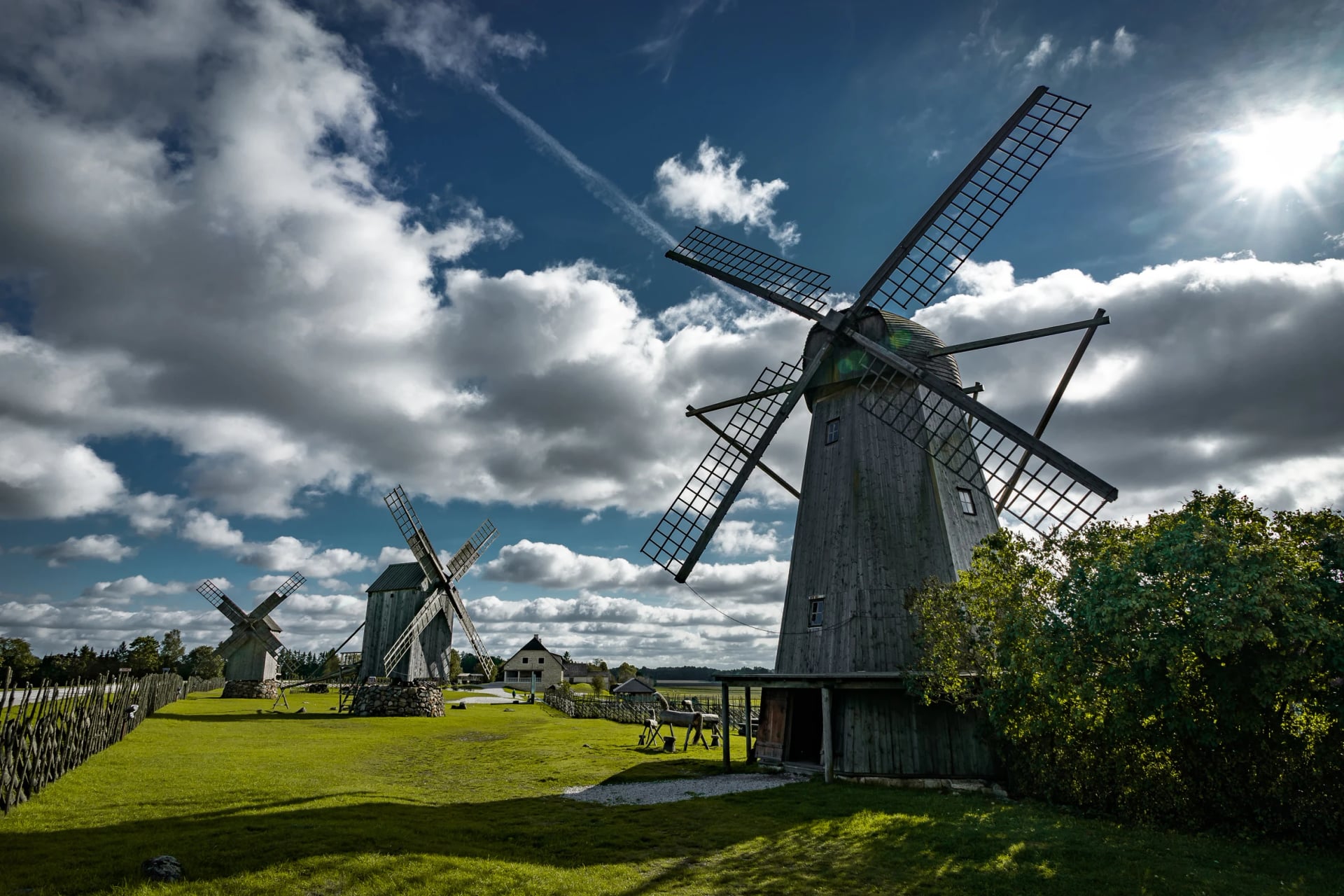
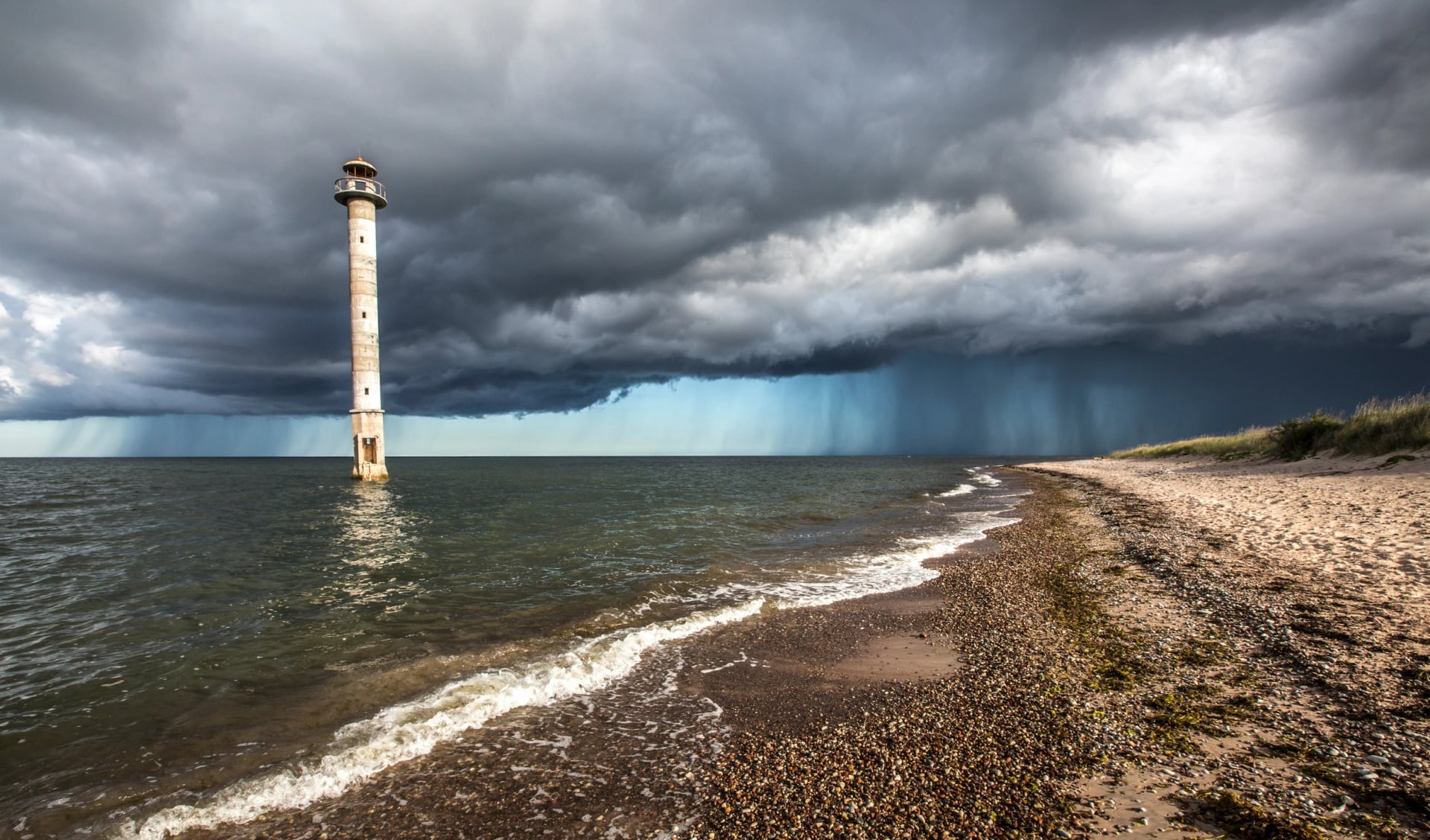
Only about ten of Estonia's islands have people living on them all year, and the island roads rarely rise above 40 m. A causeway joins Muhu to Saaremaa, where Kuressaare's castle is among the best-preserved in the Baltic states, about 78 km from Muhu by quiet roads. In summer the Virtsu ferry back to the mainland runs about every half hour.
Hiiumaa is quieter still. RMK, the state forest manager, signs its bike trail one way, from the port of Heltermaa to Kärdla on the rim of a meteorite crater. A short detour leads to Sõru harbour, where a boat of about 1 hour crosses to Triigi on Saaremaa.
3. Tallinn and the North Coast: Lahemaa
Key figures: 2 to 2.5 hours on the ferry from Helsinki, an airport 4 km from the centre, about 90 km from Tallinn to Palmse by the coast villages
Start from: Tallinn, by air, train or ferry
Base towns: Tallinn, then Lahemaa coast villages such as Võsu
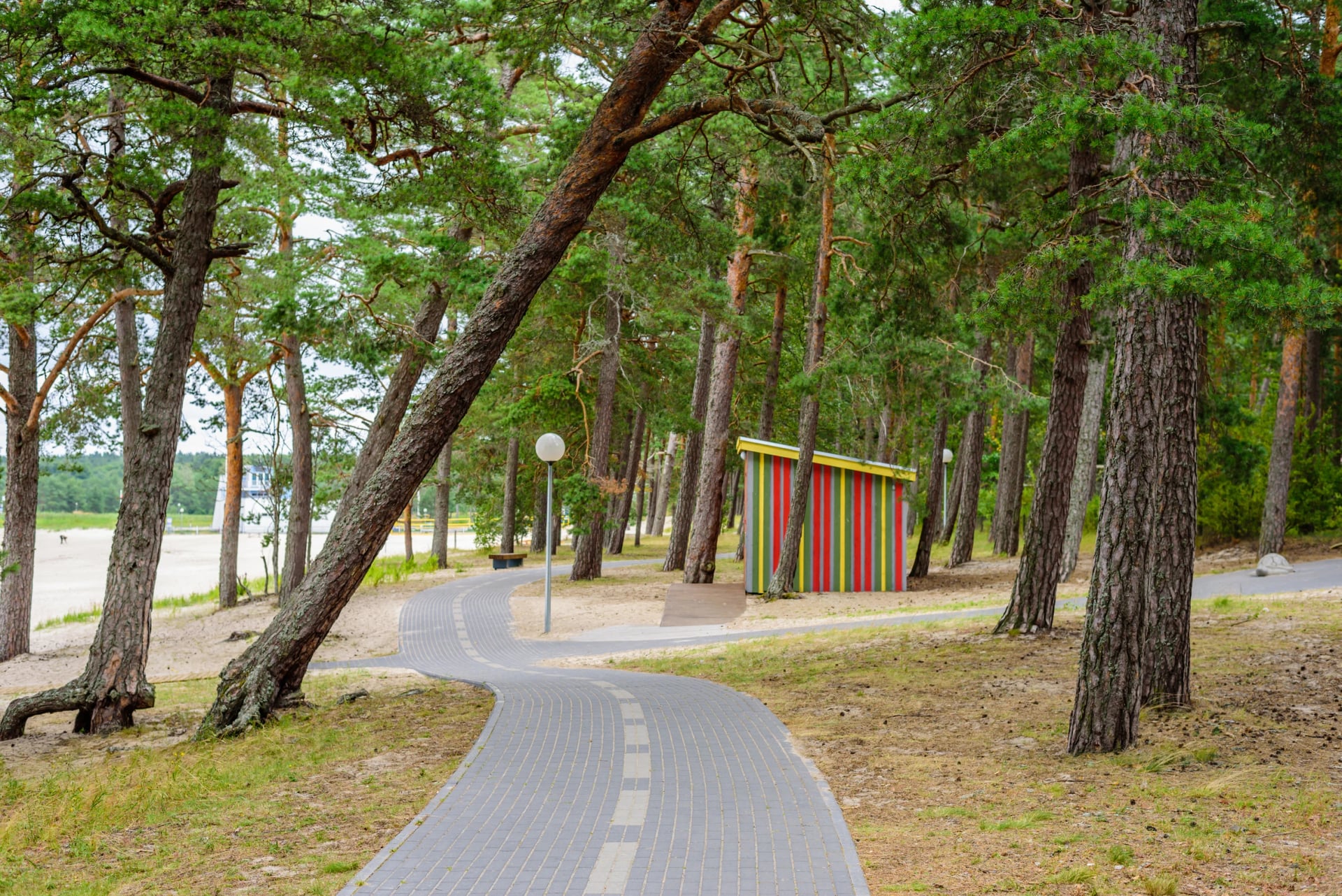
East of the capital lies Lahemaa National Park, founded in 1971, where forest roads run down to the sea at Käsmu and past the manor at Palmse. EuroVelo 11 follows this northern shore, and a day here gains about 220 to 370 m, more than anywhere on the west coast.
Explore Tallinn's Old Town on foot. City buses and trams take bikes only folded or boxed, so ride out of town from your stay.
4. Lake Peipsi and Tartu
Key figures: 7 km of the Onion Route from Kolkja to Varnja, 45 km from Mustvee to Varnja, and Alatskivi Castle about 40 km from Tartu
Start from: Tartu, by train from Tallinn
Base towns: Tartu, or the lake-shore villages towards Mustvee
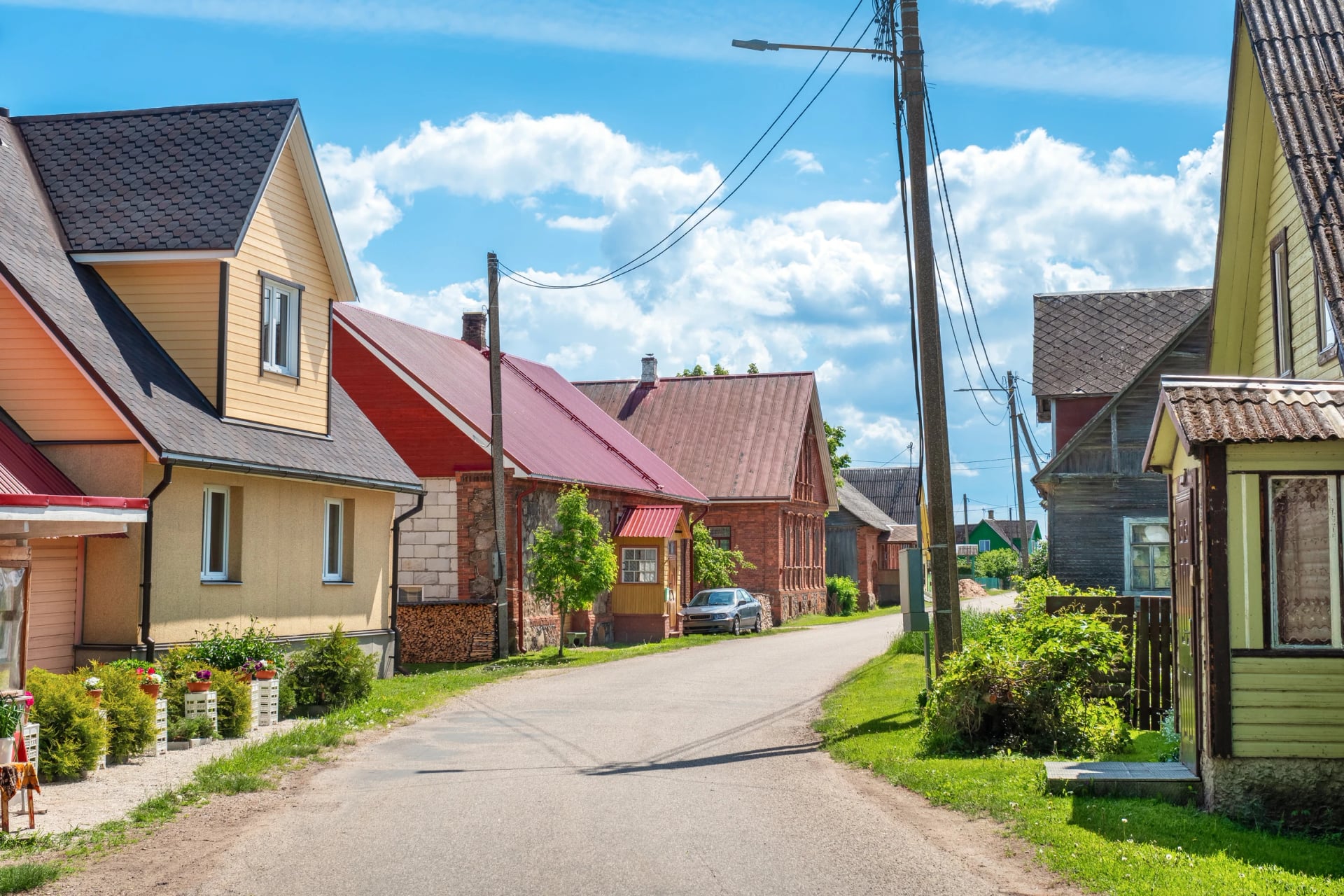
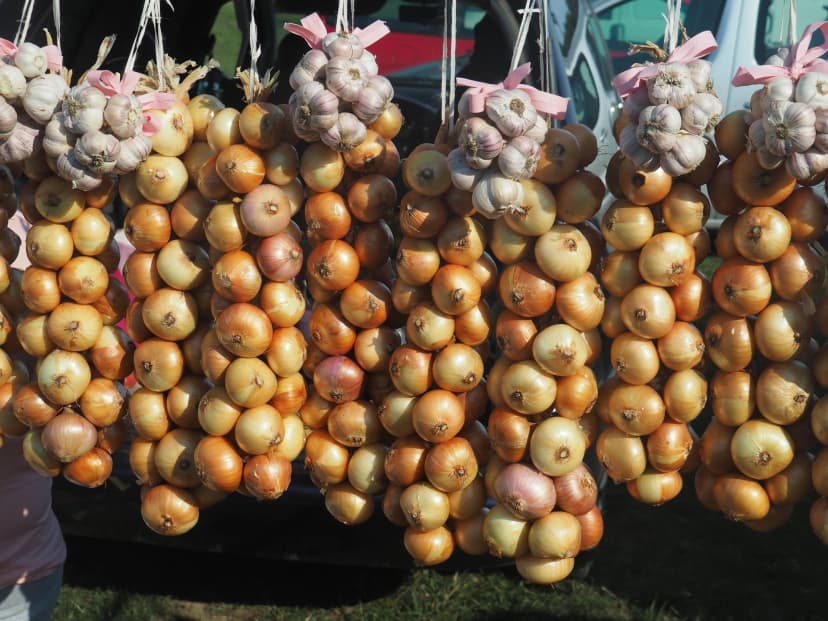
Lake Peipsi lies on Estonia's eastern border, and its western shore is home to the Old Believers. These Orthodox Christians refused the church reforms of 1652, and the road joining their villages is called the Onion Route.
Near the shore, Alatskivi Castle was finished in 1885 on the model of Balmoral in Scotland. From Tartu the lake road makes a full day out and back. In town, Tartu's Smart Bike scheme lets the touring bike rest, with about 750 bikes at 100 stations.
5. The Southern Hills: Otepää and Haanja
Key figures: 318 m at Suur Munamägi, a 29 m tower on top, and 89 km of marathon course from Otepää to Tartu
Start from: Otepää or Tartu
Base towns: Otepää, or Tartu for day rides south
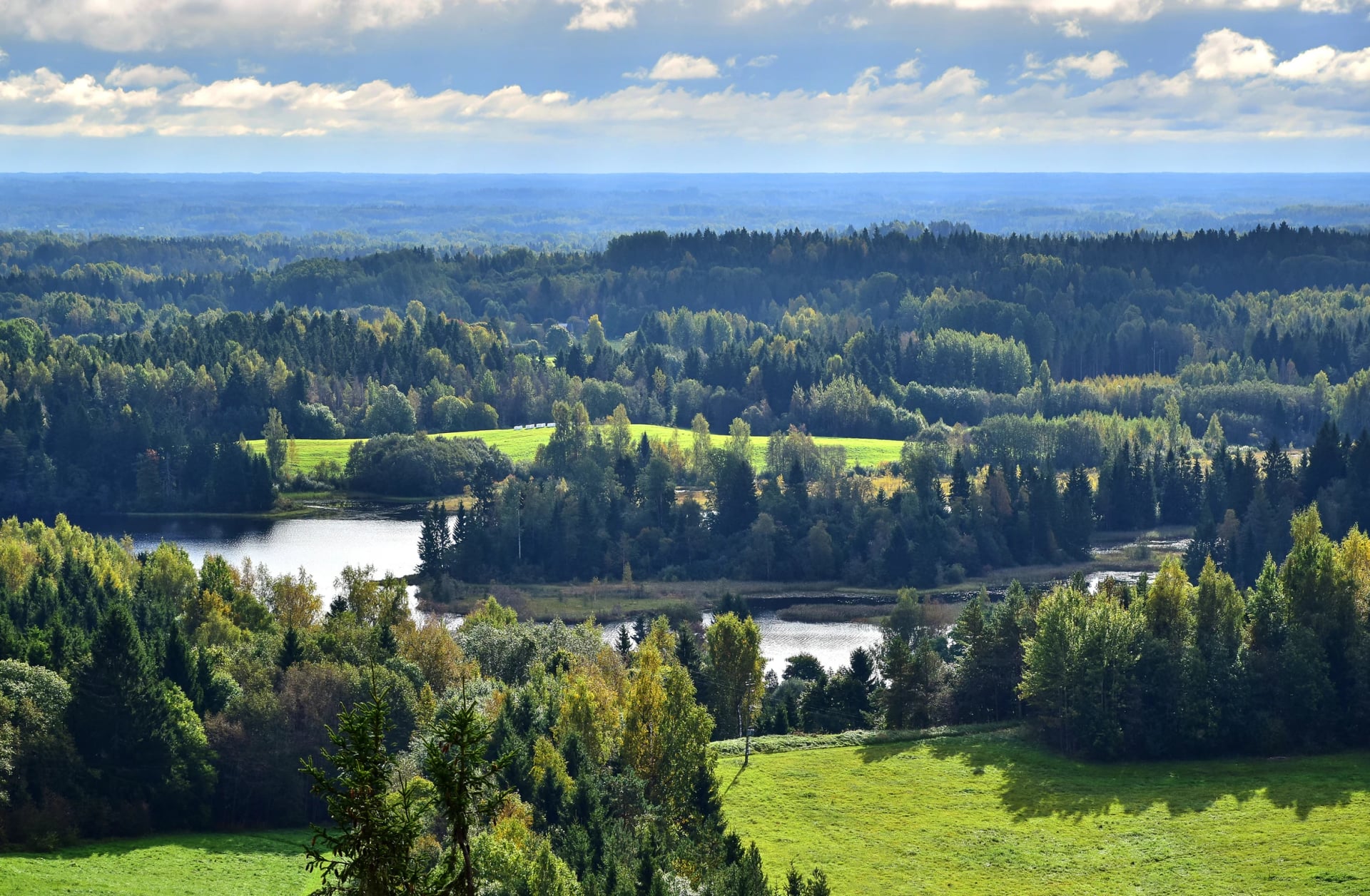
In the south-east, Estonia stops being flat. Suur Munamägi is the highest point in the Baltic states, and its tower gives views of up to 50 km over forest and lakes on a clear day.
EuroVelo 11 enters Estonia at Valga on the Latvian border and heads north through Otepää to Tartu, close to the 89 km course of the Tartu Bicycle Marathon, held in September. Around Haanja the gravel turns technical, and the hills make a good few extra days for a rider who wants to climb.
How Hard Is Cycling in Estonia?
Estonia rides flat on most days, and the effort comes from distance, wind and loose gravel. The surface, the traffic and the signs decide how hard a day feels.
Terrain and Surfaces
Visit Estonia calls the tarmac generally good, with the most scenic road riding on the north and west coasts. Gravel is part of almost any route: nearly a quarter of the national roads are still gravel, about 3,960 km by Statistics Estonia's 2024 count.
The islands and the south have the smoothest gravel, while Kõrvemaa and Haanja are more technical. Climbing is limited to the south-east, where the hills around Otepää and Haanja top out at 318 m on Suur Munamägi.
Traffic and Main Roads
Only 1,604 km of Estonia's 16,995 km of national roads are main roads, which carry the through traffic. Visit Estonia describes the secondary roads as relatively empty even in summer.
Short stretches of main road are hard to avoid near the towns, such as the run into Pärnu from the Latvian border. The Road Traffic Act allows the pavement only where riding on the road is considerably hampered, and only riders under 16 must wear a strapped helmet, so adults may choose.
Signs and Navigation
The EuroVelo routes follow Estonia's numbered national cycle routes. EuroVelo 10 follows National Cycling Route 1 for 981 km along the coast, sharing it with EuroVelo 13. Inland, EuroVelo 11 uses Route 1 to Rakvere, Route 4 to Tartu and Route 3 to the Latvian border at Valga.
Local trails, like RMK's on Hiiumaa, add their own markings. Between them the signs come and go, so load each day's route on a phone or GPS.
Best Time to Cycle in Estonia
Most Estonia cycling trips fall between May and September, and the month you choose sets the light and the crowds. Each month's figures are Tallinn's averages from Weather2Travel; on the islands and the open coast the wind makes it feel a little cooler.
In May, days reach about 15 °C and rain falls on about 11 days, which makes it the driest month of the riding season. Nights still drop to 5 °C, and there are 17 hours of daylight.
June brings the white nights, with about 19 °C by day and 19 hours of light for evening rides. 23 and 24 June are public holidays, Victory Day and Midsummer Day, so plan around the long weekend.
In July and August, Tallinn averages 20 to 21 °C by day, though showers come on roughly half the days. Beaches and island ferries are at their busiest.
September is quieter, at around 14 °C with 13 hours of light and rain on 17 days. Once the summer holidays end, the beaches and ferries are calmer. Outside the season, the Saaremaa ferry drops to about one sailing an hour in winter, and many riders wait for May.
Know Before You Arrive
A cycling week in Estonia runs on a few practical things: how you arrive, how your bike travels, where lunch comes from and what goes in the bags.
Getting There
Most riders arrive in Tallinn, whose airport sits 4 km outside the centre with a covered bike park. Ferries from Helsinki cross in 2 to 2.5 hours, and each line sets its own terms for bikes, so read them before you book. From Riga, Elron's line through Tartu and Lux Express coaches link the two capitals, and coast riders cross the border at Ainaži.
Bikes on Ferries, Trains and Buses
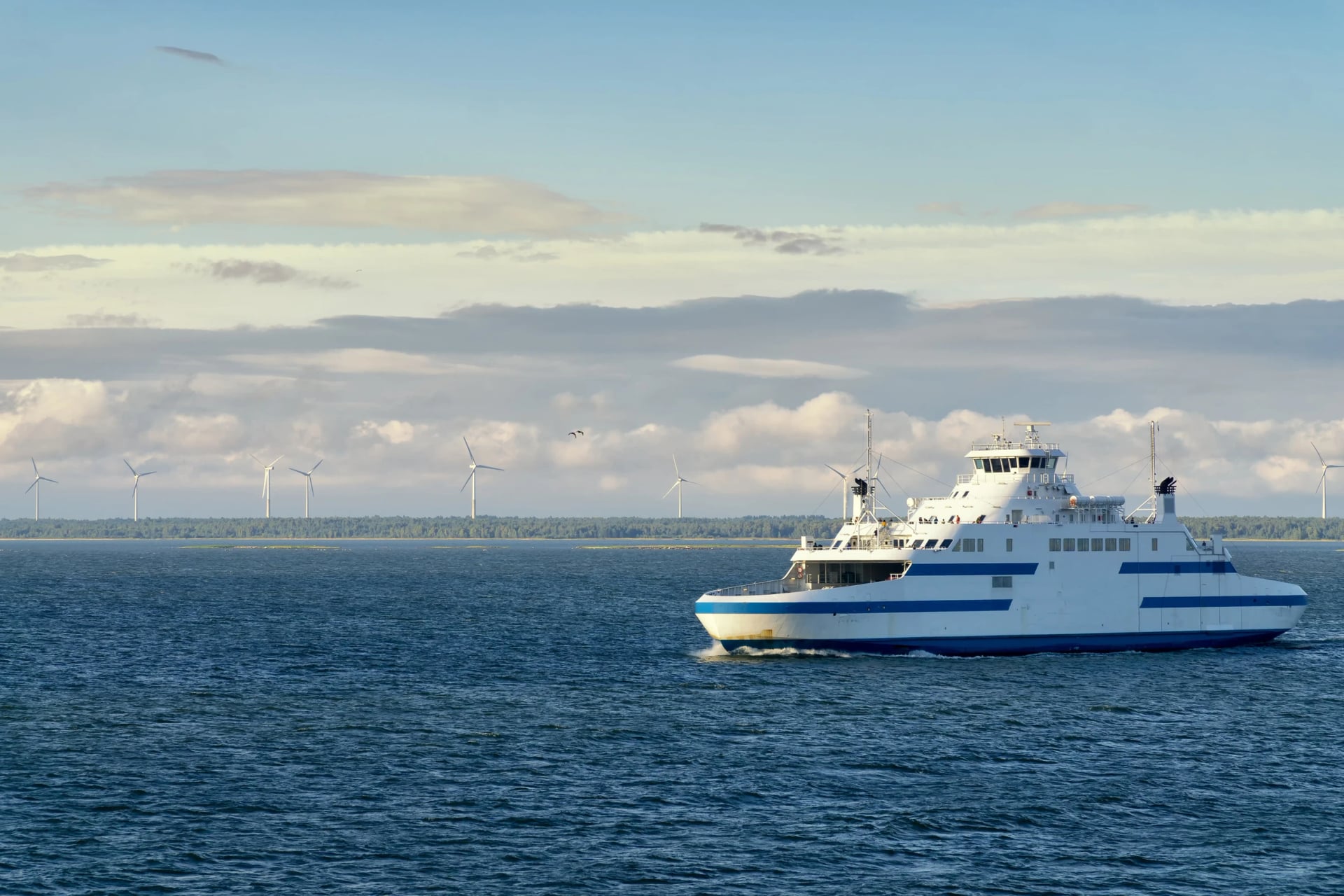
Estonia's ferries, trains and coaches all carry bikes, each with its own rules. When cycling Estonia's islands, plan each day around the ferry times.
Way to travel | Crossing or route | Bikes |
Ferry, Virtsu to Muhu | 27 minutes | Bicycle ticket with your passenger ticket |
Ferry, Rohuküla to Hiiumaa | 1 hour 15 minutes | Bicycle ticket with your passenger ticket |
Ferry, Sõru to Triigi | About 1 hour, one to four sailings a day | Plan the day around the few sailings |
Elron trains | Tallinn to Tartu, Narva, Valga and more | Bicycle ticket from April to the end of October on long-distance trains |
Lux Express coaches | Domestic and international routes | Up to three bikes per domestic coach, bagged in the hold |
The two state ferry lines sell tickets at Praamid, and with a bike plus passenger ticket you skip the car queue. Bikes count as vehicles there, so the higher fares on Friday and Sunday afternoons apply to them too.
Train bike tickets are sold on the Elron site or on board, and only an online ticket holds a bike place. Each train has a compartment marked for bikes, and the timetable shows a green, grey or red bike symbol for how much room is left.
When you book Lux Express, add the bike space to your seat and arrive at least 15 minutes before departure. On the Superior coaches between Tallinn and Tartu, bikes ride only from the first stop to the last.
Lining up ferry, train and coach times with each day's riding takes planning. If you would like it done for you, send us your travel dates and we will fit the sailings to a route.
What to Pack
Estonian summers run from 5 °C nights in May to rain on about half the days in July, so the bags need warm layers and a waterproof.
For any multi-day ride:
Repair kit: a spare tube, pump, tyre levers and a multitool
Riding clothes: padded shorts and two tops you can wash at night
Phone mount and power bank: to follow the GPS track all day
Refillable bottle: forest rest stops have no taps
What Estonia adds:
Tick kit: a tick remover and long socks for stops in long grass or forest
Insect repellent: for the forest stretches in June and July
Sleep mask: for June, when the sky stays light near midnight
Packable waterproof: kept near the top of the bag all summer
Front and rear lights: for September evenings, and by law at night
Warm layer and long-fingered gloves: for cool May mornings
Food on a Riding Day
Dark rye bread goes with almost every Estonian meal and keeps well in a pannier, and on the coast and the islands smoked fish is everyday food. On the Onion Route by Lake Peipsi, onions hang in strings at the village gates.
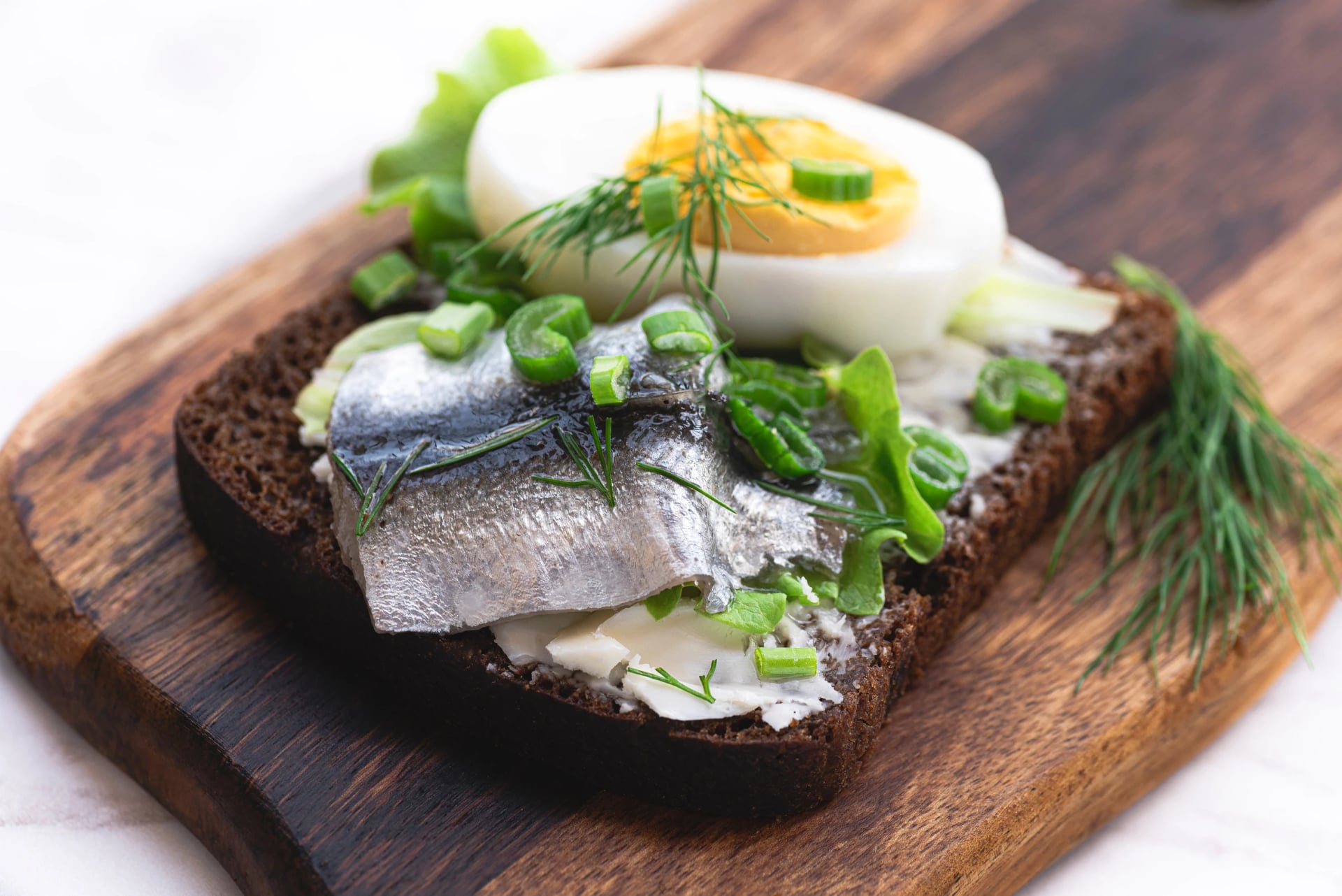
Lunch on a riding day often comes from a village shop. Visit Tallinn gives smaller shops' hours as 10:00 to 19:00 on weekdays and 10:00 to 17:00 on Saturdays. Most close on Sundays and public holidays, so buy Sunday's lunch the day before in Kuressaare, Kärdla or Tartu.
Road Rules, Ticks, Money and Forest Stops
Four points are worth knowing before the first day: what the law asks of the bike, ticks in the long grass, money and papers, and the free forest rest stops.
You may ride on cycle lanes and tracks or near the right edge of the road. Every bike needs:
- a bell and working brakes - white, red and side reflectors - lit front and rear lights at night or in poor light
On a pedestrian crossing, ride no faster than walking pace.
Tick-borne encephalitis is a risk in every part of Estonia. Ticks are active from early spring until late autumn and can also pass on Lyme disease.
Check your legs after a stop in long grass or forest, and wear long socks off the road. Official UK travel health advice recommends a vaccine for visitors spending time in forests and parks, so ask your doctor before you go.
Estonia has used the euro since 2011, and Latvia and Lithuania use it too, so one wallet covers a ride across all three. The country is in the EU and the Schengen Area; check the entry rules for your passport before you book.
RMK runs hundreds of free forest campsites across Estonia, and they make the best picnic stops on a long ride. Some even leave firewood, but there are no showers or taps, so carry water and take your rubbish with you.
RMK is the state forest manager. Its freedom-to-roam rules let you walk across unfenced, unmarked land and pick berries and mushrooms as you go.
Book Ferries and Beds Early
On a trip you plan yourself, the timing takes more work than the riding. The Sõru to Triigi boat sails only one to four times a day. Several small guesthouses on Hiiumaa, Muhu and the Varbla shore open in summer only, so beds and sailings have to line up before the route does.
Our self-guided tours take that planning off your hands. Still choosing a region? Arrange a call with us to talk it over.
These tours ride the coast, the islands and the north-east.
Islands: the Estonian Islands Bike Tour rides from Haapsalu to Pärnu over Hiiumaa, Saaremaa and Muhu, about 322 km, from June to August
Lahemaa and Lake Peipsi: Estonia: Lahemaa to Lake Peipsi runs from Tallinn to Tartu in stages of 45 to 71 km, from May to September
West coast: Riga to Tallinn: Gulf to Gulf crosses from Latvia through Pärnu and Haapsalu, from June to September
For a first trip, the islands tour packs the most of Estonia into one route: three ferries, the meteorite crater at Kaali and Kuressaare's castle. The other routes are on our page of Estonia bike tours.
Roll into Pärnu on a June evening, and its beach of pale sand is still in daylight at ten o'clock.
Frequently Asked Questions



Plan with a cycling expert
Free advice from a team that knows these routes inside out - real people, not a bot

Hassle-Free
We take care of route planning, accommodations and all logistics, so you can focus purely on enjoying your ride.

Tried & Tested Adventures
Our cycling routes are hand-picked & tested, to ensure breathtaking landscapes, smooth roads, and maximum safety - giving you the perfect ride every day.

Unbeatable Support
Our 24/7 customer support is where we show our passion, ensuring your cycling holiday runs smoothly and your well-being is always our top priority.

Book with Confidence
We are a financially protected company, fully bonded and insured, keeping your money safe and allowing you to travel with confidence.